
Total Life Sync
Why You're Not Losing Weight Even Though You're Fasting
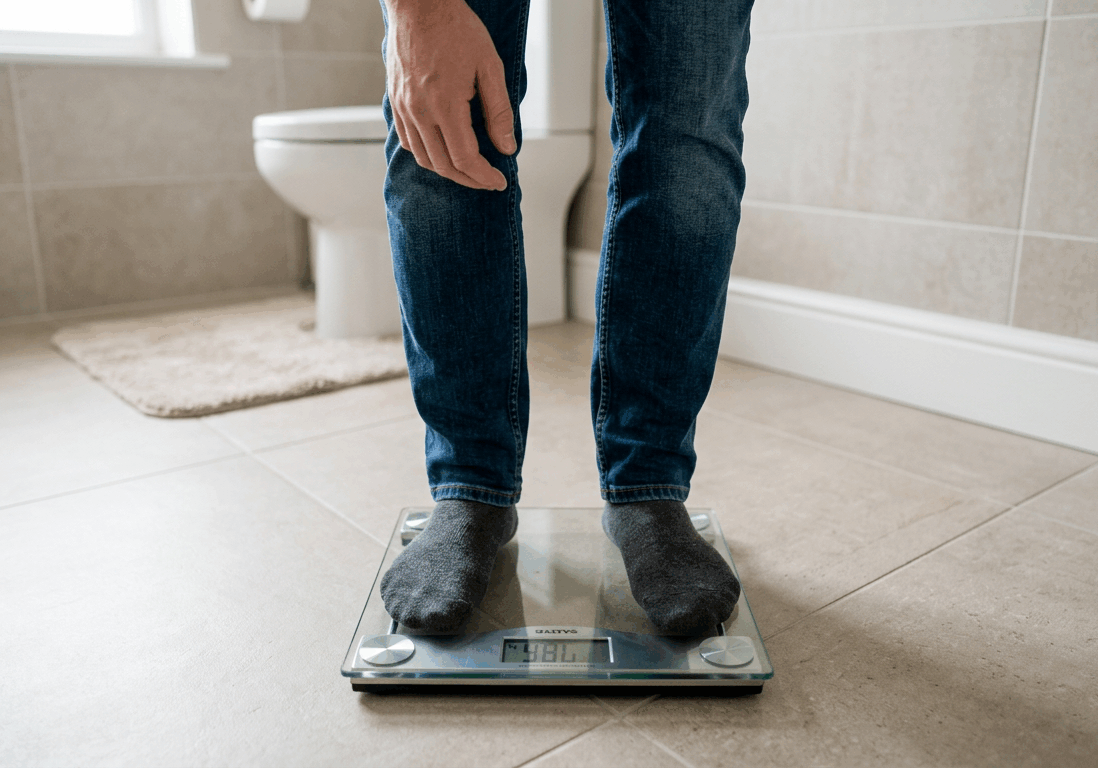
You started intermittent fasting with real commitment. You are hitting your fasting window every day, you are not eating breakfast anymore, and you are waiting until noon before your first meal. And yet the scale is not moving. Or it moved for a few weeks and then stopped completely.
This is one of the most common and most frustrating experiences in the intermittent fasting world, and it almost always has a specific, fixable cause. The fasting is not the problem. Something else is undermining it.
You Are Eating Too Much in the Window
Intermittent fasting reduces insulin and creates favorable conditions for fat metabolism. But it does not override basic energy balance entirely. If you are eating significantly more food during your eating window than your body needs, particularly high-carbohydrate and high-sugar foods, weight loss will stall regardless of how strictly you maintain the fasting hours.
Some people unconsciously compensate for the fasting period by eating larger meals during the window. This is common in the early weeks. Pay attention to what you are eating, not obsessively, but honestly. If your meals have gradually gotten larger since you started fasting, that is likely the explanation.
You Are Breaking the Fast Without Knowing It
Coffee with cream or milk, a splash of juice, a stick of gum, flavored sparkling water, certain supplements. All of these can trigger an insulin response and technically break a fast. If you are consuming anything other than plain water, black coffee, or plain tea during your fasting window, you may not be achieving the full metabolic effect you think you are.
You Are Not Eating the Right Foods
The type of food you eat during your window matters enormously. A diet high in refined carbohydrates and sugar keeps insulin elevated for most of your eating window, which reduces the window of low insulin that drives fat metabolism. Focus on protein, non-starchy vegetables, healthy fats, and whole food sources of carbohydrate. These produce a more moderate and shorter insulin response.
Your Stress Levels Are High
Cortisol, the primary stress hormone, directly interferes with fat metabolism and promotes fat storage, particularly around the abdomen. High chronic stress can completely counteract the metabolic benefits of fasting. Sleep deprivation has a similar effect. If you are fasting consistently but sleeping poorly and operating under significant stress, your cortisol levels may be working against you.
You Have Not Given It Enough Time
The adaptation phase for intermittent fasting takes two to four weeks for most people. During this period, the body is adjusting its fuel systems and metabolic machinery. Weight loss during this window is often slow or absent. This does not mean the method is not working. It means the process is underway and results have not yet become visible.
Many people evaluate fasting after one or two weeks and conclude it does not work for them. If you have been doing it for less than a month, the honest answer is that you have not yet had a proper trial.
Your Eating Window Is Too Late in the Day
Research on circadian rhythms and metabolism consistently shows that the body processes food more efficiently earlier in the day than later. A fasting window that allows eating from 2pm to 10pm produces different results than the same 8-hour window running from 10am to 6pm, even though both are technically 16:8. Late-night eating keeps insulin elevated during sleeping hours, which is particularly counterproductive for fat metabolism.
What to Do
Audit your fasting window honestly. Make sure nothing is breaking it. Move your eating window earlier if possible. Pay attention to the quality and quantity of food in the window. Address sleep and stress if either is significantly compromised. And give the process enough time before concluding it is not working. Most plateau situations resolve when one or two of these variables are corrected.






This site shares personal research and opinion, not medical advice. It also contains affiliate links, meaning we may earn a commission if you purchase through our links, at no additional cost to you. Always consult your doctor before making any health changes.
©2026 Total Life Sync | All Rights Reserved