
Total Life Sync
Why Are Men Losing Muscle After 40 and How Do You Stop It?
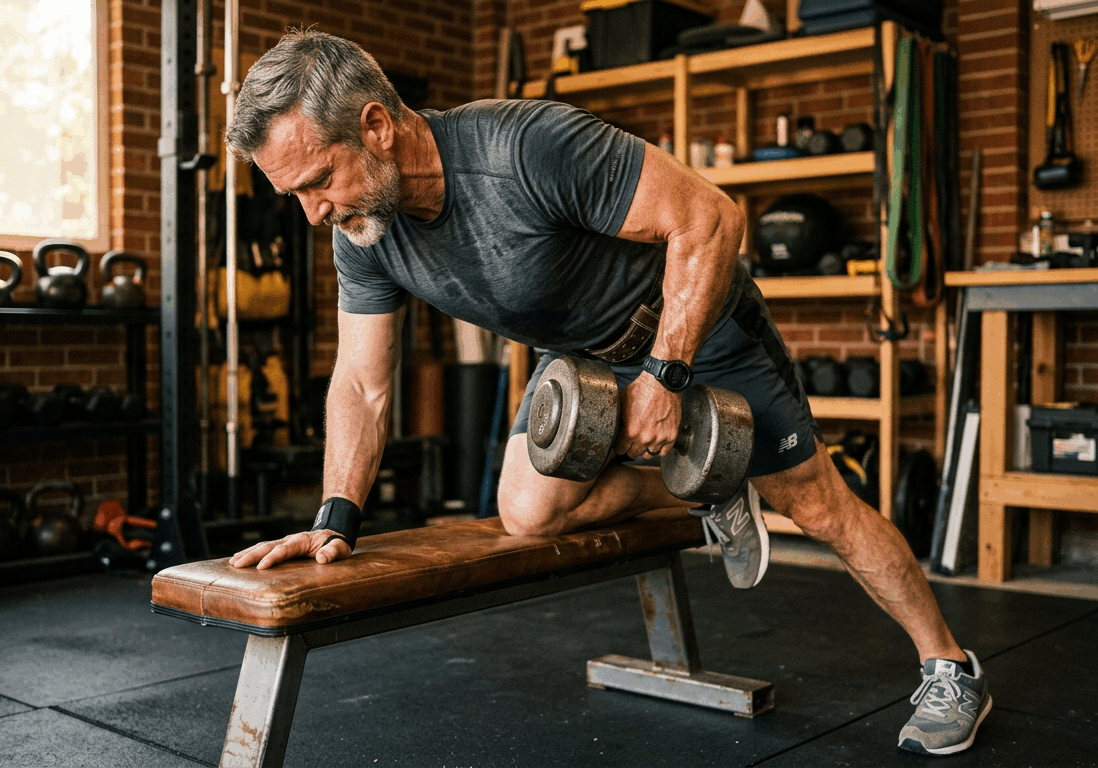
Sarcopenia, the age-related loss of muscle mass and strength, is one of the most consequential and least discussed health changes of male aging. Most men are aware that they are not as strong as they were at thirty. Fewer understand that this loss is not simply a cosmetic change or an athletic decline but a metabolic and functional deterioration with significant implications for long-term health, independence, and quality of life. And fewer still know how effectively it responds to targeted intervention at any age.
Why Are Men Losing Muscle After 40? The Biology of Sarcopenia
Muscle loss in men begins gradually in the late thirties and accelerates after fifty, with the average man losing three to five percent of muscle mass per decade after thirty without deliberate intervention. The rate accelerates if the man becomes less active, if protein intake is inadequate, or if hormonal changes accelerate beyond the normal trajectory. By age seventy, men who have not actively countered this process may have lost thirty to forty percent of the muscle mass they had at peak.
The physiological drivers of sarcopenia in men are multiple and interacting. Declining testosterone reduces the anabolic signalling that stimulates muscle protein synthesis, the process by which muscles repair and rebuild after exercise. Growth hormone, which supports muscle maintenance throughout life, declines progressively after thirty. The sensitivity of muscle to anabolic stimuli, including dietary protein and resistance exercise, decreases with age, meaning older muscle requires more stimulus to produce the same adaptive response as younger muscle. Chronic low-grade inflammation, present in most men in midlife due to dietary and lifestyle factors, promotes muscle protein breakdown through inflammatory cytokine signalling.
Sarcopenia in Men: Why It Matters Beyond Appearance
Muscle loss matters far beyond its aesthetic dimension. Skeletal muscle is the primary site of glucose uptake in the body, meaning that declining muscle mass directly contributes to insulin resistance and type 2 diabetes risk. Muscle is metabolically active tissue, and its loss reduces resting metabolic rate, contributing to the fat gain that typically accompanies muscle loss in aging men even without changes in caloric intake. Muscle strength and mass are among the strongest predictors of longevity and functional independence in older adults, with low muscle strength associated with significantly elevated all-cause mortality risk in multiple large prospective studies. Falls and fractures, the leading cause of injury-related death in older adults, are substantially driven by the muscle weakness and reduced balance that accompanies sarcopenia.
How to Prevent Muscle Loss After 40: The Most Effective Interventions
Resistance training is the primary and most evidence-supported intervention for preventing and reversing sarcopenia at any age. The stimulus for muscle protein synthesis and muscle hypertrophy does not disappear with age. It diminishes in sensitivity, meaning more stimulus is required to produce the same response, but the response is still available and still significant. Multiple studies have demonstrated meaningful muscle mass and strength gains in men in their sixties, seventies, and even eighties with appropriate resistance training programmes. Starting is more important than optimising: getting into a regular resistance training habit in the forties and maintaining it throughout life is the most impactful single action available.
Protein intake becomes more important with age, not less. The anabolic resistance of aging muscle means that adequate protein intake at each meal is necessary to maximise the muscle protein synthesis response to training. Research suggests that older adults benefit from distributing protein intake evenly across meals rather than concentrating it in one or two large meals, and from consuming protein shortly after resistance training to capitalise on the post-exercise anabolic window. A target of 1.6 to 2.2 grams of protein per kilogram of body weight daily is the range most supported by the evidence for muscle preservation and building in older adults.











This site shares personal research and opinion, not medical advice. It also contains affiliate links, meaning we may earn a commission if you purchase through our links, at no additional cost to you. Always consult your doctor before making any health changes.
©2026 Total Life Sync | All Rights Reserved