
Total Life Sync
The Worst Foods to Eat When Breaking a Fast (And What to Eat Instead)
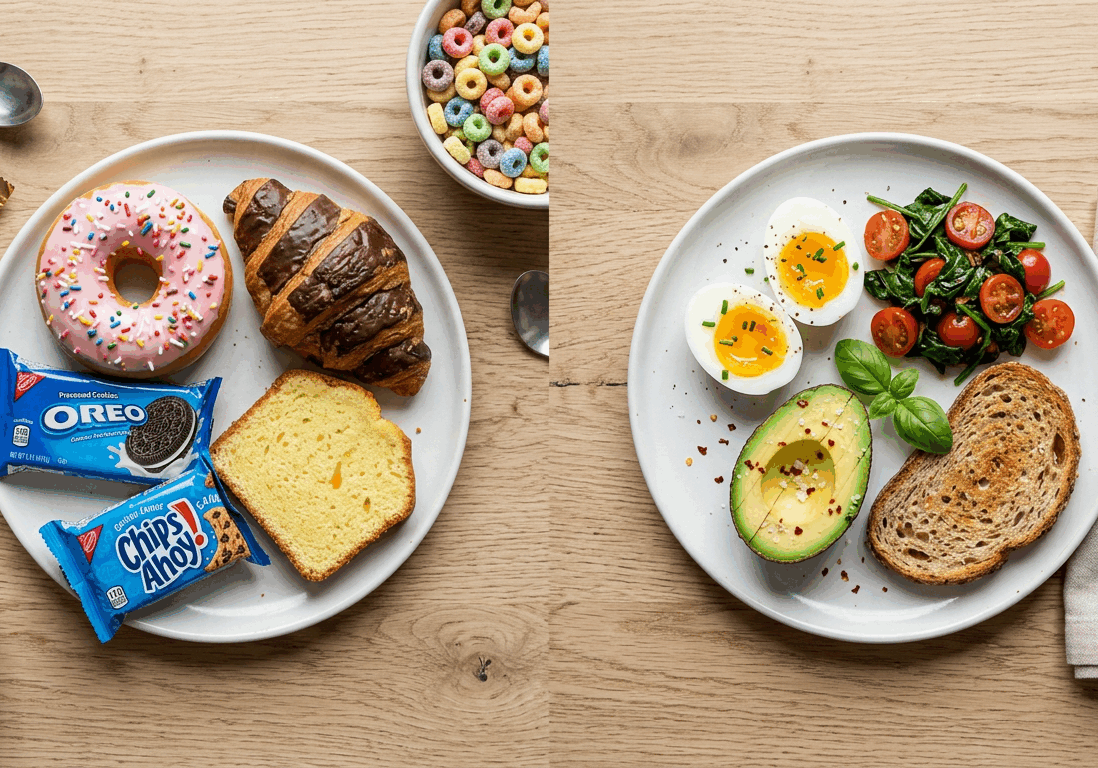
After 16 or more hours of fasting, the temptation to eat whatever is in front of you is real. You are hungry, your eating window has opened, and the idea of being careful about what you eat first feels like an unnecessary complication. But what you eat when you break a fast matters more than most people realize, both for how you feel in the hours that follow and for how effectively your body transitions out of the fasted state.
Why the First Meal Matters
After an extended fast, your digestive system has been largely quiet, your blood sugar is at its lowest point of the day, and your insulin levels are similarly low. The first food you eat triggers a sharp transition from fasted to fed state. If that food produces a large, rapid insulin spike, you undo much of the metabolic work of the fast in a single meal and set up a blood sugar roller coaster for the rest of your eating window.
Foods to Avoid When Breaking a Fast
Refined carbohydrates and sugar are the worst choice for your first meal after fasting. Bread, pastries, cereal, fruit juice, sweetened coffee drinks, and sugary foods of any kind will produce a rapid and large insulin response in the context of low fasting blood sugar. This often leads to an energy spike followed by a sharp crash within an hour or two, along with intense renewed hunger.
Large quantities of high-glycemic food, even if not sugary in the obvious sense, have a similar effect. A large portion of white rice or pasta as a first meal after fasting will produce a significant blood sugar response on an empty system.
Heavily processed fast food combines refined carbohydrates, poor-quality fats, and significant sodium in ways that are problematic at any time but particularly so as a first meal after fasting.
What to Eat Instead
Protein first is a practical rule for breaking a fast. Eggs, chicken, fish, Greek yogurt without added sugar, or legumes produce a moderate insulin response and provide satiety that lasts. Starting with protein stabilizes blood sugar and reduces the likelihood of overeating later in the window.
Non-starchy vegetables alongside protein provide fiber and micronutrients without a significant glycemic impact. Leafy greens, cucumber, tomato, and cooked vegetables like broccoli or zucchini are all good choices.
Healthy fats such as avocado, olive oil, or nuts produce almost no insulin response and provide sustained energy. Including them in your first meal supports a smooth metabolic transition from fasted to fed.
Fermented foods like plain kefir, sauerkraut, or kimchi can be particularly beneficial after fasting because they support gut health, which benefits from the rest period the fast provided.
A Practical First Meal
Two or three eggs cooked in olive oil with a side of sauteed vegetables and half an avocado is a straightforward, satisfying first meal that checks all the boxes. Greek yogurt with a handful of nuts and some berries works well for people who prefer a lighter start. A piece of grilled fish with salad and olive oil is another solid option.
None of these need to be elaborate. The principle is simple: prioritize protein and healthy fat, include vegetables, and avoid anything that will spike blood sugar rapidly on an empty system.








This site shares personal research and opinion, not medical advice. It also contains affiliate links, meaning we may earn a commission if you purchase through our links, at no additional cost to you. Always consult your doctor before making any health changes.
©2026 Total Life Sync | All Rights Reserved