
Total Life Sync
The 16:8 Method: Why Most People Do It Wrong and How to Fix It
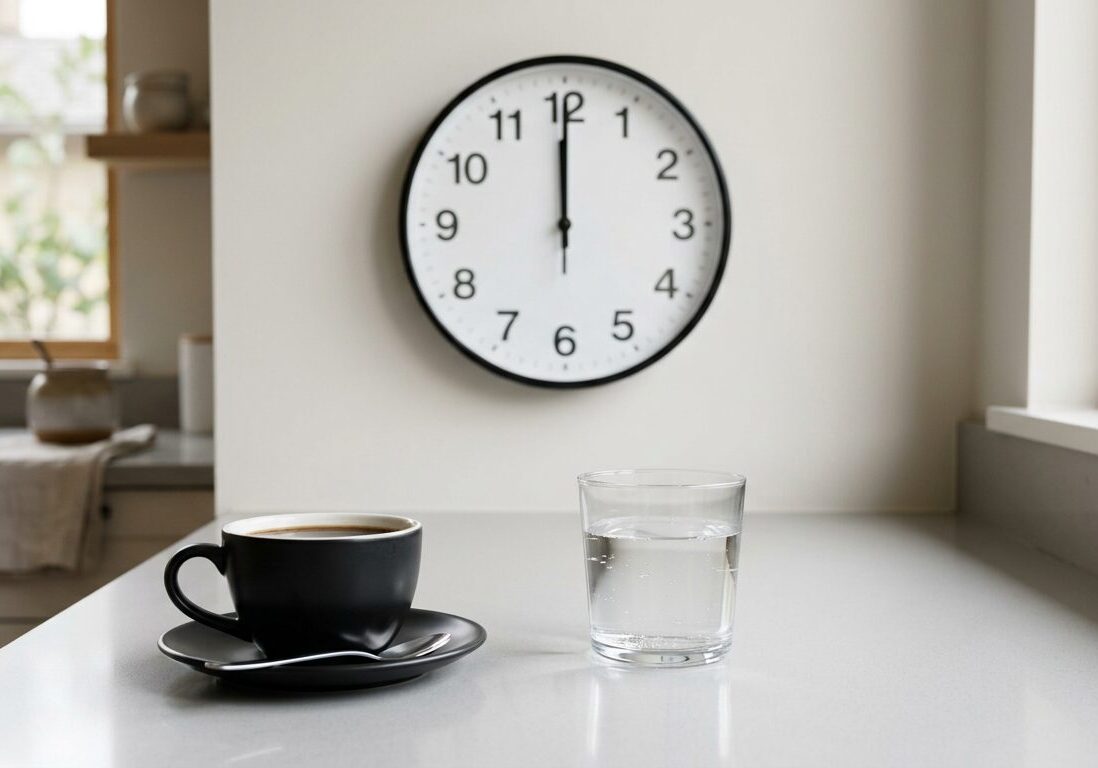
The 16:8 method is the most popular form of intermittent fasting in the world right now, and for good reason. The concept is straightforward: you fast for 16 hours and eat within an 8-hour window. Simple enough that most people feel confident they understand it. And yet, most people who try it either get no results or quit within two weeks.
The problem is rarely the method. It's almost always the execution. There are a handful of very common mistakes that quietly undermine everything the 16:8 approach is designed to do, and once you know what they are, fixing them is straightforward.
What the 16:8 Method Is Actually Doing
Before getting into the mistakes, it helps to understand what this approach is actually trying to accomplish. The core mechanism behind intermittent fasting is insulin reduction. Every time you eat, your insulin levels rise. Insulin is the hormone that signals your body to store energy. When insulin is elevated, your body is in storage mode, not fat-burning mode.
By extending the period between your last meal and your first meal of the next day, you give your insulin levels time to come down fully. When insulin drops, your body can access stored fat for energy. This is the whole point. If you understand this, the common mistakes become obvious.
Mistake One: Eating Too Late at Night
The most common mistake people make with 16:8 is choosing a window that runs too late into the evening. A window of 2pm to 10pm, for example, technically creates a 16-hour fast, but it means your last meal is right before bed.
Eating late at night raises insulin during the hours when your body should be doing its most productive overnight repair and fat metabolism work. Research consistently shows that eating in alignment with daylight hours produces better outcomes than the same calories eaten later. A window of 11am to 7pm, or noon to 8pm, gives you the social flexibility of an evening meal while still allowing several hours for insulin to drop before sleep.
Mistake Two: Drinking Calories During the Fast
Coffee with milk, a splash of cream, a protein shake, a green juice, even certain flavored waters. All of these can break a fast, because all of them trigger an insulin response to varying degrees.
During your fasting window, stick to plain water, black coffee, or plain tea. No sweeteners, no milk, no additives. It sounds strict, but it is the difference between a real fast and a modified diet that produces modified results.
Mistake Three: Eating the Wrong Foods During the Window
Some people fast for 16 hours and then use their 8-hour window to eat ultra-processed food, refined carbohydrates, and sugar. This produces a massive insulin spike that undoes much of the benefit accumulated during the fast.
The fasting window and the eating window work together. During your window, focus on whole foods, protein, healthy fats, and vegetables. These foods produce a much more moderate insulin response and allow your body to continue the metabolic work the fast started.
Mistake Four: Not Giving It Enough Time
Most people try 16:8 for a week or two, feel hungry and uncomfortable, see no results on the scale, and quit. What they are experiencing is the adaptation phase, not failure.
It takes the average person two to four weeks to shift from being primarily glucose-dependent to being comfortable burning fat for fuel. During that period, hunger feels more intense, energy can fluctuate, and the scale often does not move. This is normal and temporary. The people who push through this window consistently report that hunger diminishes significantly, energy stabilizes, and results begin to appear.
Mistake Five: Eating Too Much or Too Little
Intermittent fasting is not a license to eat unlimited food during your window. Nor is it meant to become a severe calorie restriction strategy. Both extremes are counterproductive.
Eating too much during the window keeps insulin elevated for most of your waking hours, reducing the benefit of the fast. Eating too little tells your body there is a food shortage, which triggers compensatory mechanisms that slow fat metabolism. Eat satisfying, balanced meals. Do not count calories obsessively, but do not treat the window as a binge period either.
How to Set Yourself Up Properly
Choose a window that ends at least two to three hours before you go to sleep. Drink only water, black coffee, or plain tea during your fasting hours. Eat real food during your window, prioritizing protein, vegetables, and whole food sources of fat and carbohydrate. Give the approach at least four weeks before evaluating whether it is working. And track your progress by how you feel, your energy levels, your hunger patterns, and how your clothes fit, not just by the number on the scale.
The 16:8 method works. But it works when it is done correctly, not just approximately. The adjustments above are small, and the difference they make is significant.


This site shares personal research and opinion, not medical advice. It also contains affiliate links, meaning we may earn a commission if you purchase through our links, at no additional cost to you. Always consult your doctor before making any health changes.
©2026 Total Life Sync | All Rights Reserved