
Total Life Sync
Hidden Sugar in Food: The Healthy Foods That Are Keeping You Stuck
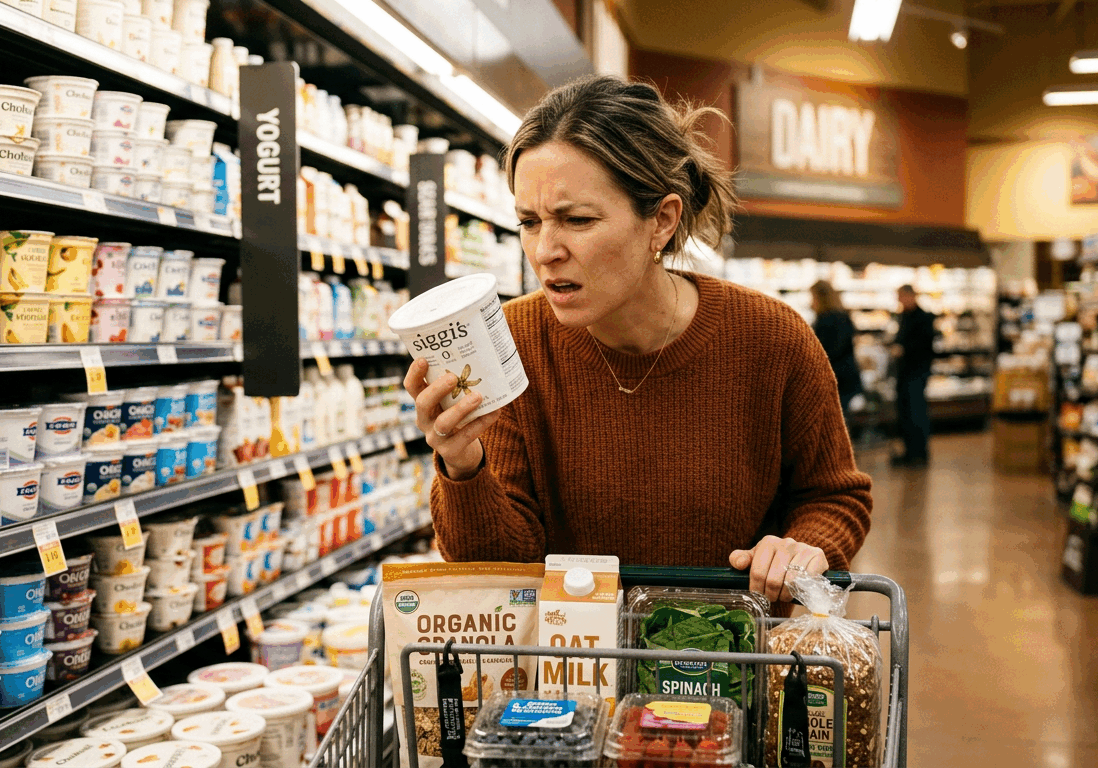
You have cut out the obvious sugar. No more soda, no candy, no desserts except occasionally. You are eating what feels like a healthy diet, and yet you are still dealing with sugar cravings, energy dips, or stalled progress. The likely explanation is the hidden sugar in food you are not seeing, present in products that carry a healthy image and a misleading label.
The Many Names of Hidden Sugar in Food
Sugar appears on ingredient lists under more than 50 different names. Some are familiar: high-fructose corn syrup, cane sugar, brown sugar, honey. Others are considerably less recognisable: maltodextrin, dextrose, evaporated cane juice, rice syrup, barley malt, and fruit juice concentrate all function as sugar in the body despite their unfamiliar names.
Food labelling regulations allow manufacturers to use multiple different forms of sugar in a single product, which has the effect of pushing each individual sugar source further down the ingredient list than the total sugar content would warrant. A product with five different sugar sources listed at positions four, six, eight, ten, and twelve in the ingredient list contains far more total sugar than a quick read of the label suggests.
The Most Surprising Sources of Hidden Sugar in Healthy Foods
Flavoured yogurt is one of the most significant hidden sugar sources in many people's diets. A single serving of flavoured yogurt can contain as much sugar as a small candy bar. Plain, unsweetened yogurt is the straightforward alternative.
Granola and muesli are marketed as health foods but frequently contain significant amounts of added sugar, sometimes comparable to sweetened breakfast cereals.
Bottled smoothies and cold-pressed juices often contain very high sugar levels, both from natural fruit sugar and added sweeteners. The fibre that would moderate the blood sugar impact of whole fruit is largely absent once it has been juiced.
Pasta sauces and tomato-based products routinely contain added sugar. A standard serving of commercial pasta sauce can contain a teaspoon or more of added sugar per serving.
Bread, particularly soft commercial bread, almost always contains added sugar or similar ingredients within the first five ingredients listed.
Salad dressings and condiments, including ketchup, barbecue sauce, and many vinaigrettes, can be surprisingly high in sugar per serving.
Protein bars vary widely. Many contain as much sugar as a chocolate bar while carrying a fitness-oriented image and marketing.
How to Identify Foods High in Hidden Sugar
Read the ingredients list, not just the front of the package. Look for any sugar synonyms within the first five to eight ingredients. Check the nutrition label for total sugars per serving and be realistic about how many servings you actually consume, as serving sizes on labels are frequently smaller than what people eat.
As a practical working rule, for packaged food that is not explicitly a sweet or dessert product, if it contains more than five grams of added sugar per serving, it is worth scrutinising. Many foods presenting themselves as healthy snacks or nutritious meal components are quietly delivering a meaningful sugar load with every use, regardless of how they are marketed.











This site shares personal research and opinion, not medical advice. It also contains affiliate links, meaning we may earn a commission if you purchase through our links, at no additional cost to you. Always consult your doctor before making any health changes.
©2026 Total Life Sync | All Rights Reserved