
Total Life Sync
How to Build an Exercise Habit That Actually Sticks Long Term
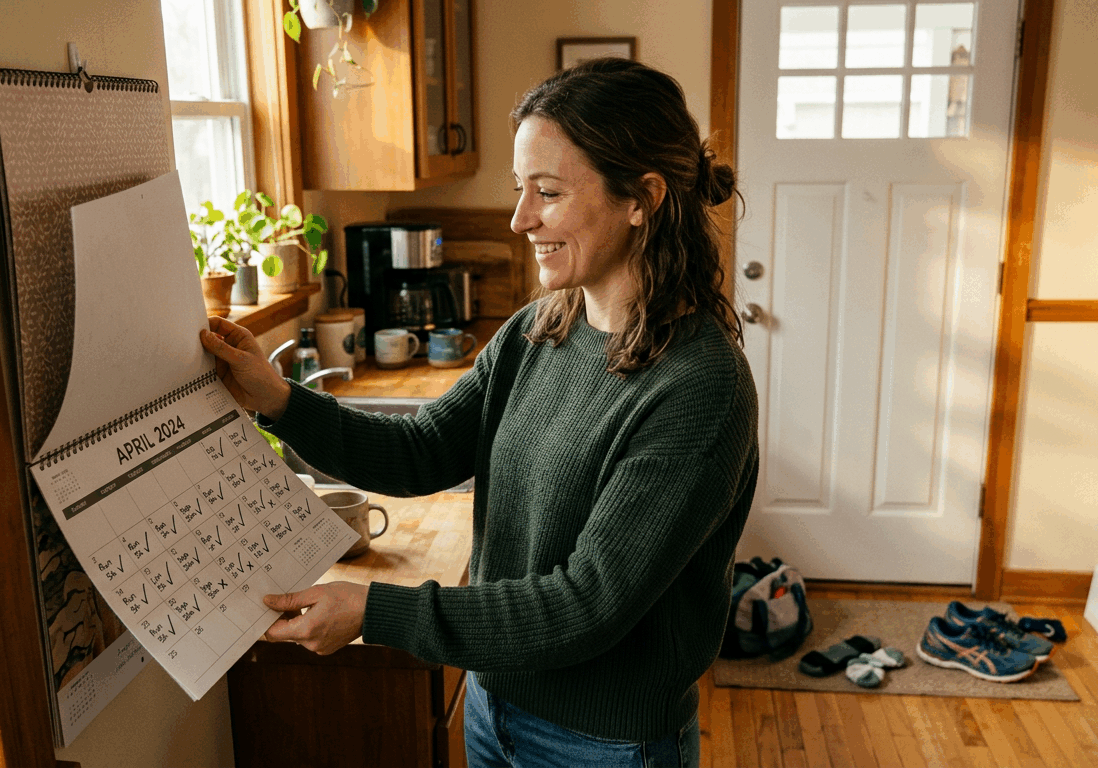
Most people know they should move more. Most people intend to move more. The gap between intention and consistent action is where fitness goals go to die, and it is a gap that willpower and motivation alone have proven repeatedly inadequate to bridge. Building a movement habit that holds across months and years requires a different approach than simply deciding to exercise more and hoping the decision sticks.
Habits vs Decisions: The Foundation of Exercise Habit Building
How to Build a Daily Movement Habit: Anchor It to Something Existing
The most reliable method for building a new habit is to anchor it to an existing one. An existing habit is already automated. Attaching a new behaviour to it borrows the strength of the established pattern. After you make your morning coffee, you do ten minutes of movement. After you finish work, you go for a walk. Before you shower, you do a short workout. The existing behaviour becomes the trigger for the new one. Morning routines are particularly powerful anchors because they occur before the day has a chance to disrupt plans and before decision fatigue accumulates.
Start Smaller Than Feels Worthwhile When Learning How to Exercise Consistently
The single most reliable piece of advice for habit formation that consistently emerges from behavioral research is to start smaller than you think is necessary. A five-minute movement session feels almost meaninglessly short. It is not. Five minutes done every day for a month builds a habit. An hour done three times and then abandoned builds nothing. The initial goal is the habit, not the fitness outcome. Once the behaviour is automated, extending the duration is straightforward. Building the habit from scratch after repeated failures is not.
Remove Friction and Track the Streak
Every barrier between you and starting is a reason to skip. Sleep in your workout clothes if the first few minutes of getting dressed are enough to talk you out of it. Keep your mat unrolled. Put your shoes by the door. Lay out whatever you need the night before. These adjustments seem trivial but they are not trivial in the moments when motivation is low and any excuse is sufficient.
In the early weeks, track whether you showed up rather than how well you performed. A calendar with an X through each day you moved is a powerful visual reinforcement of the streak you are building. The habit, once established and consistent, produces fitness results automatically. The only job right now is showing up. The results follow from that consistently over time.










This site shares personal research and opinion, not medical advice. It also contains affiliate links, meaning we may earn a commission if you purchase through our links, at no additional cost to you. Always consult your doctor before making any health changes.
©2026 Total Life Sync | All Rights Reserved